

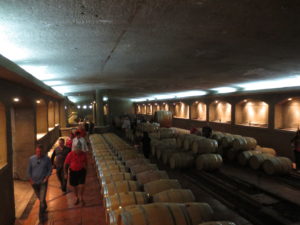
Chile is the fourth largest wine exporter in the world, and largest exporter from the New World. Only France, Italy, and Spain are larger. They have major markets in North and South America, Europe, and east Asia (China, Japan, South Korea). They are not just making affordable, simple wines, which they do very well, but they are also moving up the quality scale as they improve technology and expertise in the vineyards and wineries. All of this has happened in less than 40 years!
Wine is not small scale enterprise in Chile like it is in Canada. While we have over 700 wineries, Chile has only about 200. But they consider a winery to be small if it produces “only” a million bottles a year, and an average size winery produces 5 million to 10 million bottles a year.
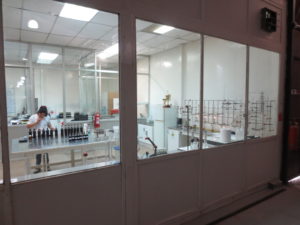
The country has been making wine since the arrival of the Spaniards in the 1500s, and got a major boost in the mid 19th century with the introduction of many French varieties and wine making expertise. Even so, wine making was just another agricultural enterprise of the large land-owning family operations that characterize Chile. Wine was produced for internal consumption. Late in the last century, as the country began to focus more on exports, wine was a natural value-added product. The large farming enterprises had the land and the capital (and even the vineyards) to get started. What they lacked was the grape-growing and wine-making expertise and technology to produce exportable wines – but that hasn’t taken long to develop!
Today Concho y Toro, one of the most recognized Chilean wine brands, has grown to be the third largest wine producing company in the world, with an annual production of something like 30 million bottles! All such producers differentiate across many price and quality categories, matching up with the markets they are trying to tap. You can find many Chilean brands at the low and less expensive price categories, as Chile has very good conditions for making good, low-cost wine. Success in that category may have dampened success at higher price categories – consumers aren’t used to paying a lot of money for a wine from Chile.
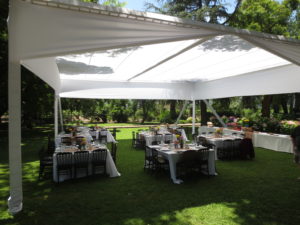
Chile certainly does make some very high quality wines, and wines of distinction – they are just hard to find here. It’s easy to fool your friends with one of them! Chile can make such good wines at every price point in part because of its beneficial climate. A climate that also makes cooking and eating outdoors something you can almost count on! Almost all the rain in the main growing areas falls in the winter, so the vines enjoy steady heat and sunlight throughout the growing season – ripening is rarely a problem. Less rain and humidity also discourages moulds and similar vineyard problems.
Chile is almost as long north to south, at 4,000 km, as Canada is east to west. It is essentially an island, bordered on the north with the driest desert in the world, to the east is the barrier of the Andes, in the west is the Pacific cooled with the Antarctic Humboldt current, and in the south are glaciers. This island nature has allowed Chile to avoid phylloxera, so that most vines are grown on their own vinifera rootstock. The middle of the country is characterized by the Central Valley, squeezed between the Andes and the Coastal mountain range. The Valley is cut through by major river systems taking snow melt from the Andes to the ocean, sources of irrigation for all agriculture.
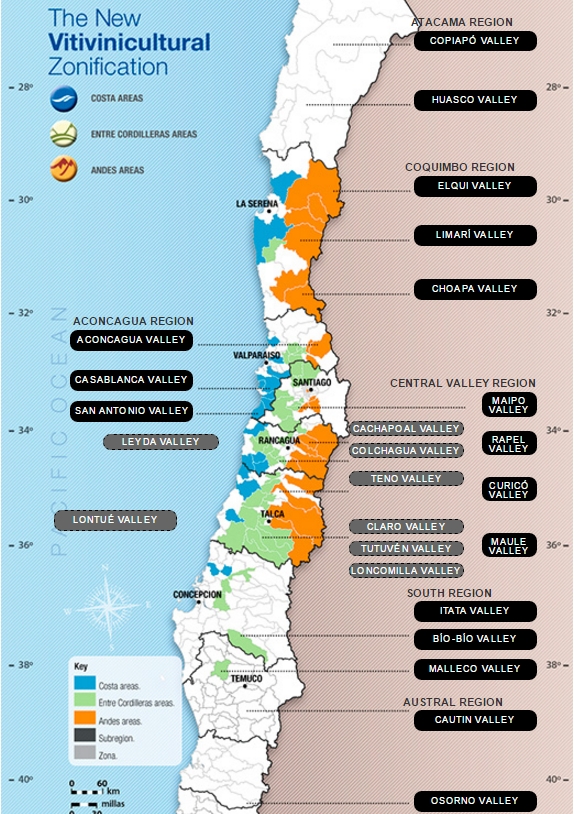
Wines of Chile divides the country into a number of zones, north to south, based on these river valleys, such as the Maipo, Cachapoal, and Calchagua. The zones range from the quite hot, on the edge of the northern desert, to the cool and wet in the far south. More recently, they have recognized a further differentiation within these valleys based on locations within the Andes foothills (Andes), the valley floors (Entre Cordilleras), or the coast (Costa). Cold winds and fogs off the ocean push up the valleys cut through the Coastal range by the rivers to create cooler growing regions. The higher altitudes and cool winds descending from the high mountains create different growing conditions in the foothills, and a wide variation in day and night temperatures. The valleys tend to get much hotter day time conditions, but still enjoy considerable daily temperature variations. And if you visit the wine-makers, the folds and slopes and other unique aspects of their vineyards (such as soils) are beginning to define even more specific terroir.
You won’t notice this differentiation in the lower priced wine categories. Look to the specialty labels from Chile, however, and you may be pleasantly surprised!
Molina, Chile Shipped in a wooden box with each bottle individually wrapped in paper as pictured.
Read More
This year’s NLC spring wine event was a show with mostly modest wines from Canada, United States, Argentina, and Chile. The show was sold out, but the floor was not crowded and it was easy enough to get around and taste. The lines in the show store moved quickly enough. If there was one issue, […]
Read More
Steve Delaney
December 5, 2016
Chile
No Comment