
We flew to Perth, capital of Western Australia, for our final wine stop in the Swan district. The Swan River reaches the ocean at Perth with the Swan Valley vineyards located inland to the north and east of the main part of the city.

Western Australia has developed a reputation for high quality wines from regions such as Margaret River and Great Southern. These are located several hours drive south of Perth, at the southwest tip of the country, and enjoy the coolest growing conditions of all the Australian wine regions. Margaret River is often described as “Bordeaux in a dry vintage”. There are wine tours from Perth to these regions that usually include at least one overnight stay.
The Swan district, in contrast, is the hottest wine-growing region of Australia. This was clearly evident during the 2016 vintage as several wineries we visited reported that five consecutive days of scorching hot winds from the interior (> 40 C) had baked and all but destroyed the cabernet crop, which was the last to be harvested and still on the vines.
Guildford is a small town at the southern end of the Swan Valley, one of the original settlements in the colony, and acts as the gateway to the agricultural region. The place has a real small town feel, even though it is located on the edge of Perth, just 10 minutes from the airport and 25 minutes from downtown. There are a couple of old-style pubs, a train station, and a few good restaurants in the village. The main attractions, however, are the wineries, eateries, and other agricultural outlets, literally on the doorstep. Just a few minutes by car, or on the bicycle trail, and you start passing vineyards and wineries.
We stayed at the Rose and Crown, the oldest hotel in the state, which has been carefully restored to its original appearance. It was quite nice to sip wine from local wineries, with BBQ, in the outdoor garden bar. See the pics below for a peak at the cellar constructed by convict labour.
The Swan Valley was the original agricultural and wine producing area of Western Australia, but the balance in viticulture has been shifting to the more southerly areas in the last couple of decades. Many wineries in the Swan district own vineyards in or import grapes from the south-west. Most of the wineries are boutique enterprises, usually family-owned, and often operated as a side venture, hobby, or in the company of related enterprises such as restaurants. They seem to do an excellent tourist trade based on people such as us, as well as day-trippers from Perth.
The grape varieties in the Valley are a little bit different from what you will find in most parts of Australia – everyone seems to have Verdelho and Chenin Blanc. Australia wine history includes an era of sweet, fortified “stickies” and the Swan district carries on with that tradition at places such as Talijancich Wines and Olive Farm Wines. South Africa has long used Chenin for fortified wines, and Verdelho is a major grape in Madeira, so it makes sense to find these varieties here.
A quick summary of visits:
Faber is a boutique winery with exceptional wines. My favourite was the Verdelho 2015 which showed great nectarine and citrus aromas and flavours. Great viscous grip in the mouth lead to a long finish, but there was also good acidity. We were treated to a comparative tasting of the 2009 in which the primary fruit flavours had dropped away leaving a toasty, nutty nose.
John Kosovich has an established local reputation but is still small by most measures. They had an unusual Cabernet “Blanc” in which the juice was processed without skin contact (to extract colour) but my favourite was the Chenin Blanc 2015 with its waxy lemon bouquet and lively acidity.
At Ugly Duckling I was tempted to pick a wonderful Shiraz Rose 2015 with brilliant strawberry fruit, yet nicely dry, as my favourite. My choice was eventually the Shiraz Reserve 2013 which an orange rim, tertiary aromas with earthy notes, and a long finish.
The lunch menu at Upper Reach‘s restaurant looked fabulous, but we had just left breakfast, so it was only the tasting for us. This time it was a toss up between the tropical fruit and great acidity of the Verdelho 2015, or the special fruit of the Gig Shiraz/Grenache 2013.
As already mentioned, Olive Farm had an array of wonderful stickies, including the incredible Stari with layers of orange marmalade flavour. Their Petit Verdot 2012 was the best PV we found in the Valley with violets and dark fruit aromatics, supported with elements of licorice, molasses, and vanilla bean. We stayed for lunch at their Cheese Barrel Cafe which served a wide selection of local, Australian, and imported cheeses.
The server at Talijancich took quite a shine to us and we had so many different tastes – including a wide selection of fortifieds. I may have to do an entire posting on these alone! Perhaps the most notable was the 1980 Solero Liqueur Shiraz which won a Gold at London’s IWSC in 2014. Their dry wines were uniformly tasty as well.
Mandoon has seen a lot of investment and features not only a winery but a microbrewery and restaurant in a quite attractive, modern facility. Their wines sourced in Margaret River and Frankland River showed the best.
While you probably won’t get many chances to buy a wine from the Swan district, the area is well worth a visit if you ever make it to Perth and Western Australia. If you can get your hands on one of the wonderful fortifieds, don’t miss your chance!
Wine Listings
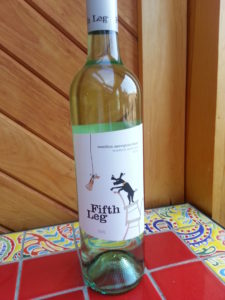
Although Western Australia has excellent wine credentials, there are only five wines listed at the NLC, and four of them are on the Last Chance list for clearance. One of them is the Fifth Leg Semillon/Sauvignon Blanc 2011, South Australia (NLC $12.99 on Last Chance). It had lemon-lime aromas and flavours, with crisp juicy acidity. Light/medium body and a pleasant enough finish earn this wine a score of 14/Good. There are still a few bottles to be found around the province.
Quick Notes
Next week: Bordeaux En Primeur and the NLC event in June

We enjoyed our last virtual tasting so much we had to do it again – a great excuse to pull out some wines a little more special than normal, particularly the sweets, which are rare without (real) company. And then we combine this with a chat about the wines (and other things) with our wine […]
Read More
We had been interested in setting a date for a dinner and tasting with our two close-by friends, but it was derailed by the recent omicron surge! Instead, we arranged to dine separately, but using the same wine selection, and then connect on Zoom over the dessert wine and discuss the wines, and the match […]
Read More
Steve Delaney
May 16, 2016
Australia
No Comment