
Rioja is probably Spain’s most recognized wine region name, at least when it comes to red wines. Some of the country’s iconic wines such as those from wineries such as Lopez de Heredia and Muga, or more well known, such as Marques de Riscal, bear the Rioja DOC (Denominación de Origen Calificada) designation.
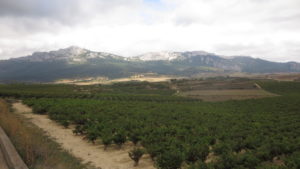
Considering Rioja and Bordeaux similar in other than name recognition might be considered a difficult proposition to support. Rioja is separated/protected from the Atlantic by the Cantabrian mountains to its north providing a continental climate for the area. Bordeaux is most decidedly open to the Atlantic and endures a maritime climate. Rioja’s vineyards are more than 400 meters above sea level in comparison to Bordeaux, where altitude is not a factor. Bordeaux reds are almost always blends of six allowed varieties, but mainly Cabernet Sauvignon, Merlot, and Cabernet Franc. Rioja is often a blend as well, but the varieties are different: Tempranillo, Garnacha, Graciano, and Mazuelo (though some Cab and Merlot are grown too).
It is that use of blending in the approach to wine-making where the similarities between Bordeaux and Rioja begin to be obvious. Vines and grapes have been grown in Rioja for millenia, dating back before Roman times. Rioja’s fame as a quality wine region (the first to receive the DOC designation, the highest in Spain) is relatively recent however, dating back to the phylloxera era in the 19th Century. In the preceding hundred years some winery owners were learning from Bordeaux, with the introduction of barrel-aging and vat fermentation.
But it was the devastation of the French vineyards which reduced production and opened up markets to new suppliers which accelerated developments. As the early waves of infestation swept Bordeaux, displaced French vineyard owners and wine-makers were looking to fill the gap in wine supply. Many of them looked south over the Pyrenees and ended up in Rioja where new transportation links were opening up more market access.
The French influence contributed to wines in Rioja being made in ways similar to Bordeaux – vat fermentation, blending of varieties, oak aging – and many of these wines were destined to quench the thirst of former Bordeaux consumers, so quality was required. This perfect storm of opportunity helped propel the Rioja brand to world prominence, where it has remained ever since. Some other regions of Spain have reached international notice as well: Ribero del Duero, Toro, and Priorato being the main examples.
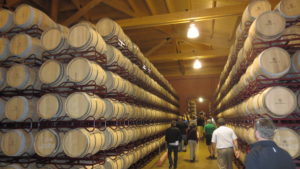
Older style Rioja wines tended to be characterized by oak-aging with distinct vanilla flavours. It was common for the best wines to receive decades of aging before being released to market. Houses such as Lopez de Heredia carry on this tradition today (see some pics below). Other wineries have reduced the oak influence with the result of darker (less faded) wines with more fruit which are ready to drink at a younger age. Whether you go traditional or new style, you will still find a Rioja to be mouth-filling and an excellent dinner wine, just like Bordeaux!
Wine Listings
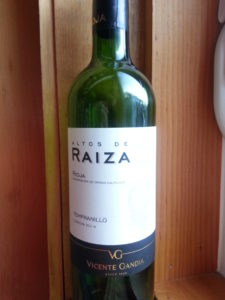
An example of the newer style of Rioja with dark red colour, the Gandia Altos de Raiza (NLC: $18.86) still shows the influence of oak with hints of vanilla mixed with the dark red fruit and tobacco aromas. Full flavoured with moderate, smooth tannins, it proved a delicious match with steak. Score: 15/Very Good.
Quicknotes

We enjoyed our last virtual tasting so much we had to do it again – a great excuse to pull out some wines a little more special than normal, particularly the sweets, which are rare without (real) company. And then we combine this with a chat about the wines (and other things) with our wine […]
Read More
Thanks for the listing of BrewFest
Excellent article on Rioja